Dubai doesn’t have legal prostitution. Not now. Not ever. But that doesn’t mean sex work hasn’t existed here - it just means it’s always been hidden, shifted, and reshaped by law, money, and global pressure. If you think Dubai’s sex scene is just about luxury hotels and private clubs, you’re missing the deeper story - one that spans decades of migration, economic boom, and cultural tension.
Before the Skyscrapers: Sex Work in Pre-Oil Dubai
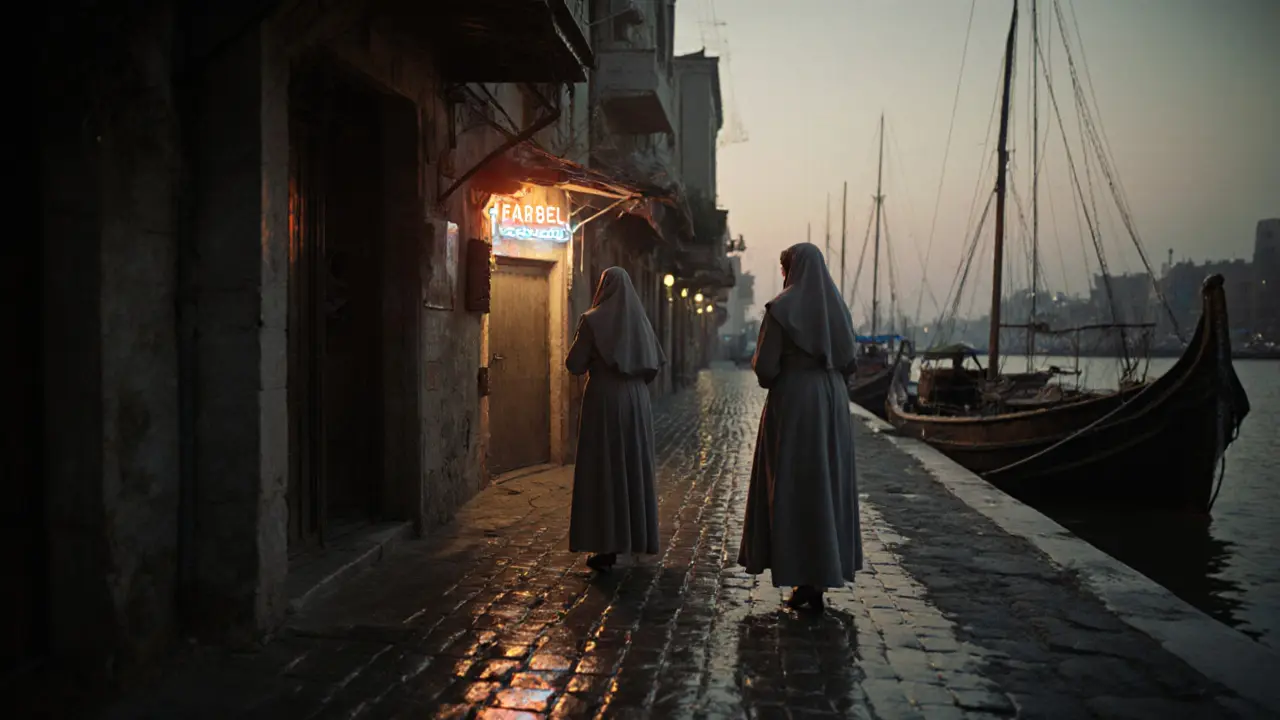
Before oil turned Dubai into a glittering metropolis, it was a quiet port town. Fishermen, pearl divers, and traders from Iran, India, and East Africa came and went. In those days, temporary relationships between sailors and local women weren’t uncommon. These weren’t formalized sex work, but they were transactional - often tied to survival, not choice. Women from poor families sometimes took in travelers for food or shelter. Men from distant ports left behind children, money, or silence.
The British colonial presence in the 19th century brought stricter moral codes, but enforcement was spotty. Local customs still held more weight than foreign laws. By the 1950s, Dubai had small brothels near the creek, mostly run by South Asian women. They weren’t advertised. You heard about them through word of mouth. Police turned a blind eye - as long as there was no public scandal.
The Oil Boom and the Rise of the Hidden Economy
When oil money poured in after 1966, Dubai changed fast. Expats flooded in - engineers, construction workers, oil technicians. Most were men. Very few brought families. The city didn’t have enough housing, let alone social structures to support them. That’s when informal sex networks expanded.
By the 1980s, Dubai had a quiet but active underground market. Pakistani, Filipino, and Sri Lankan women worked in apartments above shops in Deira and Bur Dubai. They were paid in cash, often by men who came after work. No names were exchanged. No contracts. No records. This wasn’t organized crime - it was survival economics. Many sent most of their earnings home to support siblings, parents, or children left behind.
At the same time, Dubai’s tourism industry started growing. Hotels began hiring foreign staff - dancers, bartenders, waitresses. Some of them were told, unofficially, that they could earn extra money by entertaining guests. A few did. Others refused. But the message was clear: if you wanted to stay, you learned to navigate the gray areas.
The 1990s: Crackdowns and Code Names
In 1994, Dubai passed its first major anti-prostitution law. It wasn’t about morality - it was about image. The government was trying to attract Western investors and luxury brands. Hotels like the Burj Al Arab were under construction. Dubai needed to look clean, modern, and safe.
Police raids increased. Brothels were shut down. Women were deported. But the work didn’t stop. It just moved. Instead of fixed locations, it became mobile. Women rented apartments by the week. Clients found them through phone numbers passed between expat communities. Text messages replaced face-to-face meetings. The term "escort" started appearing in classified ads - always coded. "Companion for dinner" meant something else. "Travel partner" meant overnight stays.
By the late 1990s, Dubai had become a hub for sex tourism from Europe and Russia. Russian men, in particular, came in droves - drawn by cheap flights, warm weather, and the belief that the UAE was more permissive than Russia. They didn’t care about the law. They cared about access. And someone always found a way to give it to them.

The 2000s: Technology Changes Everything
Smartphones changed the game. No more phone books. No more meetups in back alleys. Apps like WhatsApp, Telegram, and later, private dating sites, became the new marketplace. Women could screen clients before meeting. They could share safe locations. They could demand payment upfront.
At the same time, Dubai’s economy shifted. More women arrived as nurses, teachers, and office workers. Some were married. Others were single. A few started offering companionship services - not because they were desperate, but because they could. A British nurse earning $3,000 a month could make $1,500 extra in a weekend by hosting a client. A Ukrainian teacher with a student visa could pay rent with one paid date.
This wasn’t trafficking. It wasn’t forced labor. It was freelance work - risky, illegal, but chosen. And it was growing.
2010-2020: The Shadow Economy Goes Global
Dubai’s sex industry became part of a global network. Women from Ukraine, Moldova, and Nigeria were recruited by agencies that promised modeling jobs or hotel work. Once they arrived, their passports were taken. They were told to meet clients or leave the country. Some escaped. Others stayed - because returning home meant shame, or debt.
At the same time, wealthy Emiratis began using private services. Not in public. Not in hotels. But in gated compounds, villas in Jumeirah, or even in their own homes. These clients didn’t use apps. They used word-of-mouth networks - often through friends, gym trainers, or foreign domestic workers. Their names never made the news. Their money never got traced.
By 2018, Dubai had one of the highest rates of female expat workers in the Gulf. And with them came a new kind of demand - not just for sex, but for emotional connection, conversation, companionship. A new term emerged: "romantic companion." It sounded harmless. It was still illegal. But enforcement was inconsistent. If no one complained, the police didn’t intervene.

2025: The New Normal
Today, Dubai’s sex industry is invisible - but not gone. It’s decentralized. It’s digital. It’s fragmented across apps, private residences, and foreign-owned businesses that operate under the radar.
There are no brothels. No streetwalkers. No red-light districts. But there are WhatsApp groups with hundreds of members. There are Instagram accounts that post travel photos - but the DMs are full of offers. There are Airbnb hosts who list "long-term stays" but quietly rent out rooms for overnight visits. There are male and female workers who use crypto payments to avoid banks.
And the law? Still strict. Penalties include jail, deportation, and lifetime bans. But enforcement is selective. If you’re a wealthy foreigner with connections, you’re unlikely to be touched. If you’re a single woman from a low-income country, you’re the one who gets caught.
The real change isn’t in the law. It’s in who’s doing the work - and why. Most aren’t trafficked. They’re educated. They’re skilled. They’re working because they have no other way to survive in a city where rent is $2,000 a month and minimum wage is $400.
What’s Next?
Dubai is pushing hard to become a tech and finance hub. It wants to attract families. It wants to be seen as progressive. But it still relies on cheap labor from the Global South. And that labor - especially female labor - often comes with unspoken expectations.
Will Dubai ever legalize sex work? Probably not. The religious and political costs are too high. But will it keep turning a blind eye? Almost certainly. The economy needs it. The expat population needs it. And the people doing the work? They’ve learned how to stay hidden - and how to survive.
The future of Dubai’s sex industry isn’t about crackdowns or legalization. It’s about invisibility. And as long as the city keeps growing - and as long as people keep needing money - it will stay that way.




Write a comment