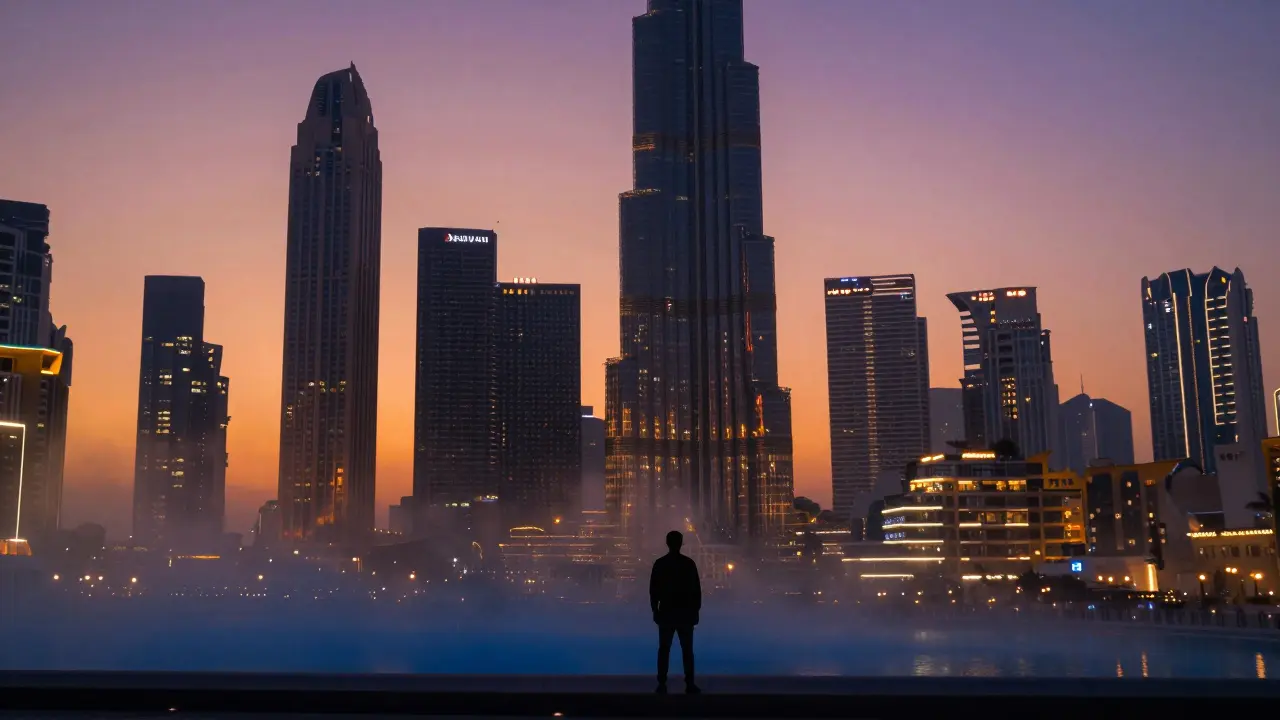
Dubai shines as a beacon of luxury and modernity. High-rises pierce the clouds, and duty-free shopping draws millions of visitors each year. Yet, beneath this glossy exterior lies a complex web of legal and social rules that do not welcome everyone equally. For LGBTQ+ individuals seeking intimacy or sex, the city presents a unique set of hurdles. You might see couples holding hands in public, but the law treats same-sex relationships very differently than heterosexual ones.
The gap between the visible tolerance of expats and the written penal code is where most trouble starts. Many travelers arrive assuming their home country's freedoms follow them across the border. That assumption puts people at risk. Understanding the specific legal and social landscape is your first step toward staying safe.
Understanding the Legal Landscape
First, you need to know exactly what the law says. The United Arab Emirates operates under a hybrid legal system mixing civil law and Islamic Sharia principles. Federal Decree-Law No. 31 of 2021 updated many criminal codes, but certain moral offenses remain heavily protected. Consensual same-sex sexual activity is technically classified under laws regarding "unlawful sexual relations." While enforcement varies depending on whether the act is public or private, the potential penalty remains severe.
You might hear rumors that "it happens all the time," which is partially true. Private conduct often goes unnoticed if no one reports it. However, the risk isn't just random policing. It often comes from disputes over money, jealousy, or blackmail. When two people disagree, one party might threaten to call the authorities. This leverage turns a personal disagreement into a criminal case.
| Situation | Risk Level | Potential Consequence |
|---|---|---|
| Private Consensual Acts | Moderate | Depends on discovery method; rarely reported but possible detention |
| Public Displays of Affection | High | Immediate arrest, fines, or deportation |
| Cyber Surveillance | Very High | Digital footprint used as evidence in court |
The Social Climate and Discretion
Beyond the statutes, there is the daily reality of living here. The social environment dictates how much freedom you actually feel. In many high-end hotels or exclusive clubs, staff know better than to pry. They operate on a culture of discretion. This creates a bubble where certain behaviors seem acceptable. But that bubble bursts the moment you leave the venue or enter a residential area.
Locals adhere strictly to conservative values. Even among expats, opinions vary wildly. Some communities are incredibly open, while others practice self-preservation through silence. If you attend an event and meet someone, keeping details vague about your relationship status protects both parties. A casual conversation about dating apps can quickly turn into an interrogation if the wrong person walks in. Discretion isn't just polite; it is a survival mechanism in this context.
Technology and Digital Risks
In today's world, meeting people happens on apps. Platforms like Grindr or Tinder are popular, but they carry distinct risks in this region. Government monitoring of internet traffic is sophisticated. Apps themselves are not banned, but data privacy is not guaranteed. Messages stored on your phone can be subpoenaed during unrelated investigations.
Imagine meeting a stranger you met online. The platform logs show you communicated. If anything goes wrong-harassment, theft, physical altercation-that chat history becomes evidence. Furthermore, location tracking features can inadvertently place you in areas monitored closely. Turning off location services seems small, but in a jurisdiction with broad surveillance powers, it adds a layer of security.
Social media presence matters too. Posting photos with partners or using hashtags associated with pride events in 2026 could flag your profile. Algorithms might not stop you, but manual review processes in visa applications or border control can pick up digital inconsistencies. Your digital footprint travels faster than you do.

Physical Safety and Police Interaction
If you face arrest or police questioning, the outcome depends heavily on the circumstances. Immigration officers hold significant power. Detention centers differ from standard prisons, but conditions can be difficult. Deportation is the most common sentence for foreigners, yet the financial and reputational cost is high. Being barred from re-entry means losing business opportunities or family ties back home.
The police force is generally professional, but corruption exists. Demands for bribes to smooth over minor infractions are sometimes used to test loyalty or compliance. Paying these sums creates a paper trail that can come back later. It is always safer to seek legal counsel before making any payments. Legal aid organizations abroad often assist citizens detained overseas, though their influence within the UAE is limited.
Health Considerations in a Restricted Environment
Safe sex is a major health challenge when access to resources is controlled. PrEP (Pre-Exposure Prophylaxis) medication is available, but prescription requirements are strict. Carrying condoms discreetly is essential, as buying large quantities in bulk might raise suspicion if customs scrutinize your luggage. Access to HIV testing exists in top-tier hospitals, yet confidentiality fears prevent many from seeking early treatment.
Health clinics operate under strict data protection rules, but internal sharing between government agencies can happen during public health crises. This hesitation creates a gap in care. People delay testing because they fear being identified. Without regular screening, undiagnosed infections spread silently within the community, increasing long-term health burdens.

Navigating Expat Communities
Many travelers rely on word-of-mouth networks to stay safe. These informal support systems share tips on which venues are "friendly" or which landlords respect privacy. While helpful, these groups are fragile. One bad experience can shut down a channel. Trust is built slowly here. Newcomies often lack the network to distinguish safe spaces from traps.
Corporate housing and short-term rentals offer some insulation compared to traditional guesthouses. Staff turnover is high in service roles, meaning staff might not enforce rules strictly. However, neighbors can still file complaints about noise or visitors. Living quietly is not enough; you must manage perceptions carefully.
Looking Ahead in 2026
As we move further into the mid-2020s, cultural attitudes shift slowly. The UAE hosts Pride events abroad and sponsors international forums, signaling some level of openness. Yet, legislative changes remain cautious. Any liberalization typically targets economic growth rather than individual civil rights directly. Until the code explicitly decriminalizes consensual acts, the risk remains a constant variable in your planning.
For now, the strategy is mitigation. Understand the boundaries. Respect the culture even if you privately disagree. The cost of misunderstanding here is far higher than in other major global cities. Knowledge is your best defense against becoming a statistic in a crackdown.