In Dubai, where laws around sex work are strict and enforcement is visible, sex workers have long relied on discretion, trust, and personal networks to stay safe. But since 2020, the landscape has shifted dramatically-not because of new laws, but because of how they use phones, apps, and online tools. Today, safety isn’t just about avoiding police or violent clients. It’s about controlling your digital footprint, spotting scams before they happen, and using technology to turn isolation into protection.
From Street to Screen: How the Industry Moved Online
A decade ago, many sex workers in Dubai operated through word-of-mouth referrals or informal networks. Meeting clients meant physical handoffs-dates arranged in hotel lobbies, phone calls made from payphones, or messages passed through intermediaries. The risks were high: no way to verify someone’s identity, no record of the interaction, and no backup if things went wrong.
Today, almost all active workers use encrypted messaging apps like Telegram or Signal. Some use private Instagram accounts with coded language to advertise services. A growing number rely on discreet booking platforms that don’t require real names-just usernames, profile photos, and location tags that hide exact addresses. These platforms let workers screen clients before meeting, set boundaries upfront, and even share their location in real time with a trusted contact.
This shift didn’t happen because it was easy. It happened because it saved lives.
Tools That Keep Workers Safe
Technology isn’t just a way to find clients-it’s a survival toolkit. Here’s what works in Dubai right now:
- Encrypted messaging apps: Telegram and Signal are preferred because they don’t store messages on servers. Workers use them to confirm client details, share meeting times, and send quick alerts if something feels off.
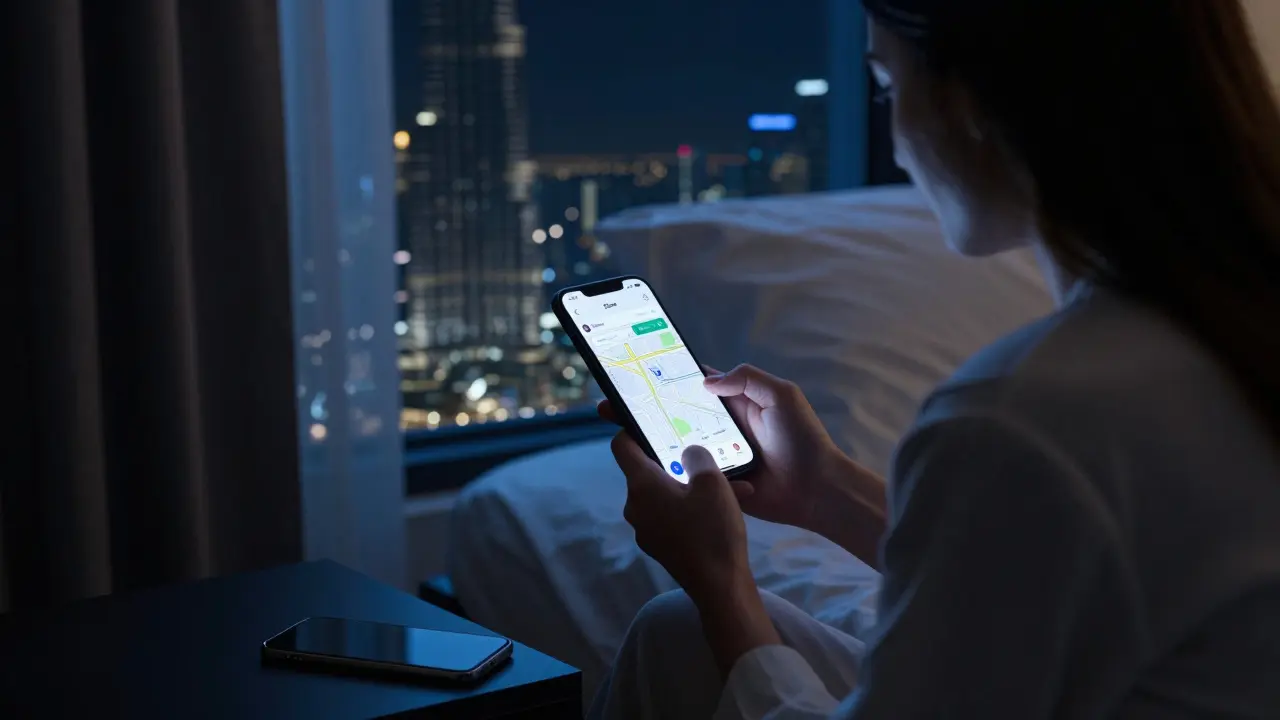
- Location-sharing tools: Many use Find My Friends or Life360 to share their real-time location with a friend or colleague. Some set up automated alerts-if they don’t check in within 30 minutes after a meeting, the app sends a message to their emergency contact.
- Client verification apps: A few local networks have built simple databases where workers can enter a client’s name or phone number to see if others have reported harassment or violence. These aren’t public websites-they’re private WhatsApp groups or encrypted spreadsheets shared among trusted contacts.
- Virtual background checks: Workers often search a client’s name or number on LinkedIn, Facebook, or even Google. If someone claims to be a business executive but has no online presence, that’s a red flag. If their photo matches a known scammer profile, they’re blocked before the meeting even happens.
One worker in Jumeirah told me she uses a fake name on her booking profile, but requires every client to send a video selfie holding a piece of paper with today’s date written on it. She says it’s the only way she knows they’re real-and not a cop or someone trying to record her.
The Dark Side: Scams, Blackmail, and Digital Traps
Technology doesn’t just protect-it also creates new dangers.
Scammers now pose as clients to collect personal info. They ask for photos, videos, or bank details under the pretense of "verification." Once they have it, they threaten to share it unless paid. Some even create fake booking profiles to lure workers into meetings, then record them without consent.
In 2024, Dubai police reported a 47% increase in digital extortion cases involving sex workers. Many of these cases involved people who used unsecured apps or shared too much info too soon. One woman lost her savings after sending a video to someone who claimed to be a "security agent" checking compliance with local rules. He was just a scammer with a fake badge.
Even social media can be dangerous. Posting a photo in a hotel room with a recognizable landmark in the background can lead to location tracking. Some workers have been arrested after someone used geotags to pinpoint their exact address.

How to Use Tech Without Getting Caught
There’s no perfect system, but there are smart practices that reduce risk:
- Never use your real name-on any app, profile, or payment method.
- Use a secondary phone number-apps like Google Voice or local burner SIMs help keep your main number private.
- Always meet in public first-even if the client says they’ll pay upfront, insist on a coffee meeting before going to a private location.
- Check the room-if you’re meeting in a hotel, verify the booking is under a different name. Avoid rooms with cameras or mirrors that look out of place.
- Disable location services-turn off GPS on your phone when not in use. Use airplane mode when entering a client’s space.
- Have a code word-agree with a friend on a word or phrase that means "I need help now." Send it in a message if you feel unsafe.
These aren’t just tips-they’re survival rules. One worker in Deira started using a code word after a client tried to force her into a car. She sent the word to her friend via text, who called the hotel front desk pretending to be her husband. The staff checked on her, and the client left immediately.
Community and Support: The Hidden Network
Behind the scenes, a quiet network of sex workers in Dubai shares information. It’s not organized. There’s no NGO, no official group. But there are encrypted Telegram channels with hundreds of members. They post warnings about known predators, share tips on avoiding police raids, and offer emotional support.
Some workers have even started training others on how to use digital tools safely. A former worker named Lina now runs a private online guide-no website, no ads, just a PDF passed through trusted contacts. It covers everything from how to set up a burner phone to what to do if your phone is confiscated.
These networks aren’t perfect. But they’re the closest thing to safety in a system that doesn’t recognize their existence.

What Happens When Tech Fails
Technology can’t protect you from everything. Sometimes, the police show up. Sometimes, a client turns violent. Sometimes, your phone dies, your battery runs out, or your internet cuts off.
That’s why the most important tool isn’t an app-it’s a plan. Every worker I spoke with has a backup: a friend who knows their schedule, a safe house they can reach in 10 minutes, a local lawyer who works pro bono for sex workers.
One woman told me she keeps a small notebook in her bag with emergency contacts, a list of safe hotels, and the number of a local clinic that treats victims of assault without reporting to police. She says it’s the only thing she trusts more than her phone.
Final Thoughts: Safety Isn’t About Legality-It’s About Control
Dubai’s laws haven’t changed. Sex work is still illegal. But the way people survive has. Technology hasn’t made it legal. But it’s made it possible to work with more control, more awareness, and more protection than ever before.
The goal isn’t to change the law. It’s to stay alive while navigating it.
For every worker using a burner phone, a coded message, or a location-sharing app, there’s a quiet victory: they’re not waiting for permission to be safe. They’re building safety themselves-using the tools they have, in a city that doesn’t want them here.
Is it safe to use dating apps to find clients in Dubai?
No. Public dating apps like Tinder, Bumble, or Hinge are high-risk. They’re monitored by police and used by scammers to identify targets. Most sex workers in Dubai avoid them entirely. Instead, they use private, encrypted platforms or word-of-mouth referrals that don’t leave a digital trail.
Can police track sex workers through their phones?
Yes, if they use unsecured methods. Regular phones, unencrypted messages, or apps linked to real identities can be traced. But workers who use burner phones, encrypted apps like Signal, and disable location services make tracking extremely difficult. The key is minimizing digital footprints.
What should I do if a client threatens to share my photos?
Don’t engage. Block the person immediately. Save all messages as screenshots. Reach out to a trusted contact or local support network-some groups in Dubai help with legal advice or removal of content from the internet. Never pay blackmail demands; it rarely ends. Most victims who reported threats to trusted networks were able to get help without involving police.
Are there any legal protections for sex workers in Dubai?
No. Sex work is illegal under UAE law, and there are no formal legal protections. Workers cannot report abuse, theft, or assault without risking arrest themselves. That’s why community-based safety networks are critical-they fill the gap left by the legal system.
How do sex workers handle payments safely?
Most use cash only. Digital payments like Apple Pay, PayPal, or bank transfers are avoided because they leave records. Some use prepaid cards bought with cash, or peer-to-peer crypto transfers via apps like Bitcoin Lightning, but these are rare and risky. Cash is still the safest and most anonymous method.




Write a comment