In Dubai, where luxury and modernity often define the city’s image, a quieter truth plays out behind closed doors: economic inequality shapes who can access safe sex-and who can’t.
It’s easy to assume that in a wealthy city like Dubai, condoms, STI testing, and sexual health education are universally available. But that’s not the case. For many low-income workers, migrants, and even locals living paycheck to paycheck, getting the tools to protect themselves isn’t a given. It’s a hurdle.
Who’s Left Behind?
Dubai’s population is over 80% expatriate. Most of them work in construction, hospitality, or domestic services-jobs that pay poorly and offer little to no health benefits. These workers often live in crowded labor camps, far from medical centers. They don’t have time off to visit clinics. They fear losing their jobs if they ask for time off for health reasons. And they’re afraid of being reported if they seek sexual health services.
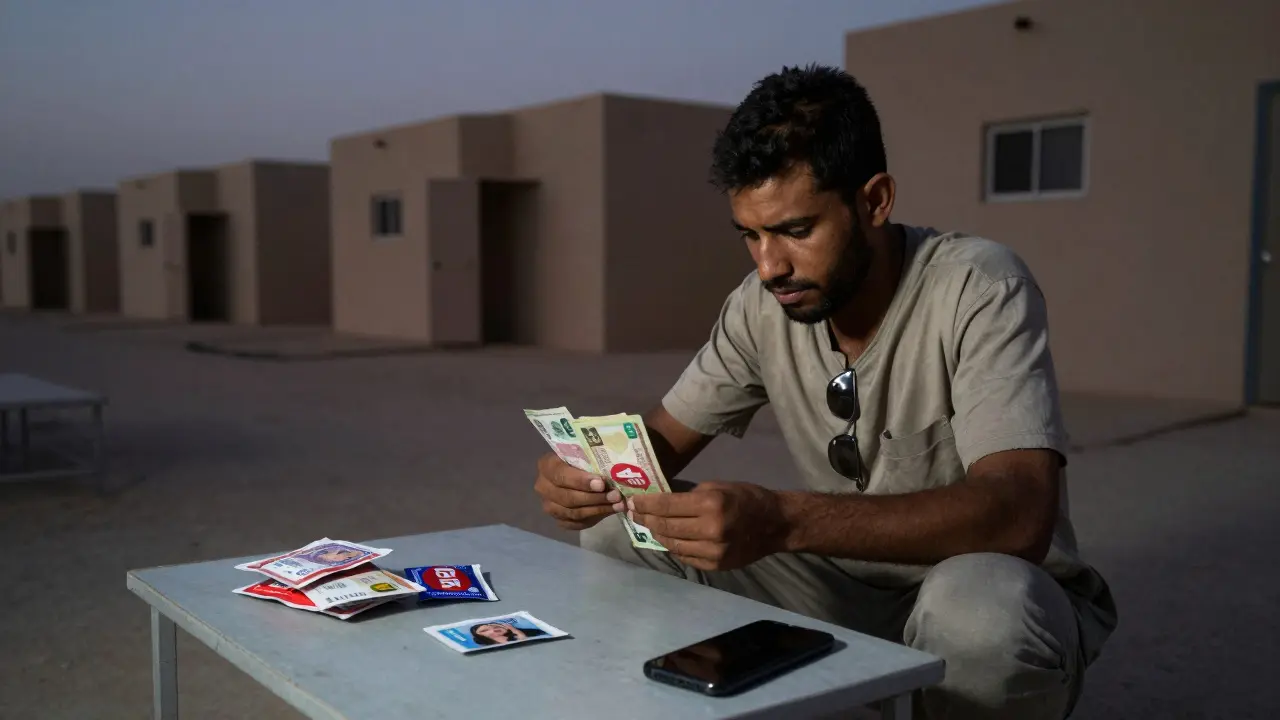
Condoms are sold in pharmacies and supermarkets, yes. But for someone earning AED 1,500 a month, spending AED 15 on a pack of condoms isn’t just about cost-it’s about choice between safety and food. A single condom might cost less than a bottle of water, but when you’re sending money home to a family in Bangladesh or the Philippines, every dirham counts.
The Silence Around Sexual Health
Public discussion about sex in Dubai is heavily restricted. Even though the government funds some sexual health campaigns, they rarely target migrant workers. The messaging is often vague, in Arabic or English, and rarely translated into languages like Tagalog, Urdu, or Bengali-languages spoken by millions in the city.
Religious and cultural norms add another layer. Many workers come from conservative backgrounds where talking about sex is taboo. Even if they know condoms prevent HIV and other STIs, they’re told it’s better to avoid sex altogether. But that’s not realistic. Studies from the Dubai Health Authority show that over 60% of sexually active migrant workers have had unprotected sex in the past year. Why? Because they didn’t know where to get help-or they were too scared to ask.
Where Are the Clinics?
Dubai has excellent private clinics. But they’re expensive. A basic STI screening can cost between AED 400 and AED 800. That’s more than half a month’s salary for many. Public hospitals offer free services, but they’re often crowded, understaffed, and located in areas like Deira or Satwa-far from labor camps in Jebel Ali or International City.
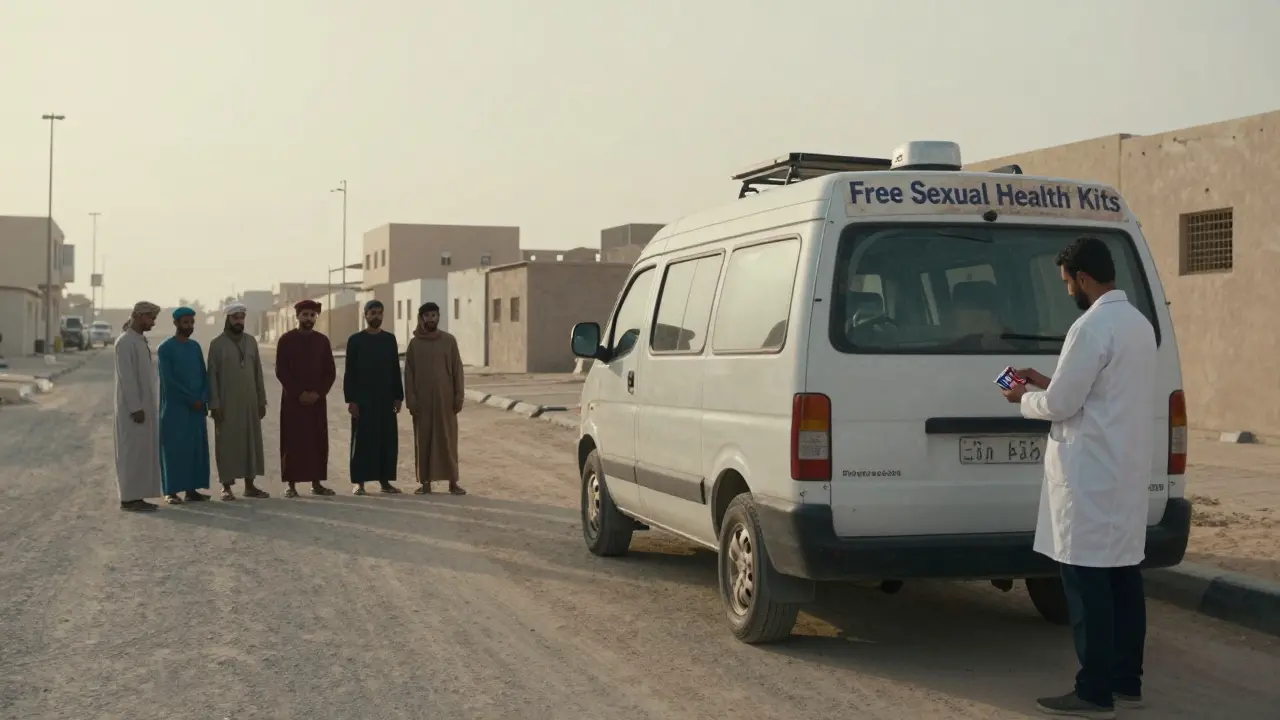
Some NGOs, like the Dubai Health Authority’s outreach teams and a few local nonprofits, run mobile clinics. But they only operate once a month. And they don’t always advertise. Workers don’t know they exist. Even if they do, many fear being identified or reported to their employers.
Contraception Isn’t Just About Condoms
Access to emergency contraception and long-term birth control is even harder. Oral contraceptives aren’t sold over the counter. You need a prescription. And getting one means seeing a doctor-something many women avoid due to stigma or fear of judgment. Male sterilization? Nearly impossible to access without going through private clinics that charge thousands.
For women, the risk is higher. A 2024 survey by the Dubai Women’s Council found that 47% of female migrant workers who had unprotected sex did so because they couldn’t access birth control. Many didn’t know where to go. Others were told by employers that using contraception was "against cultural values."
The Role of Employers
Some companies in Dubai provide health insurance. But most of it doesn’t cover sexual health services. Even when it does, workers are often too afraid to use it. One worker from Nepal told a researcher, "If I go to the clinic, my boss finds out I’m sexually active. He says I’m a bad worker. He threatens to send me home. I’d rather get sick than lose my job."
Employers control housing, visas, and pay. That power dynamic makes it impossible for workers to speak up. No one wants to risk being fired, deported, or blacklisted.
What’s Being Done?
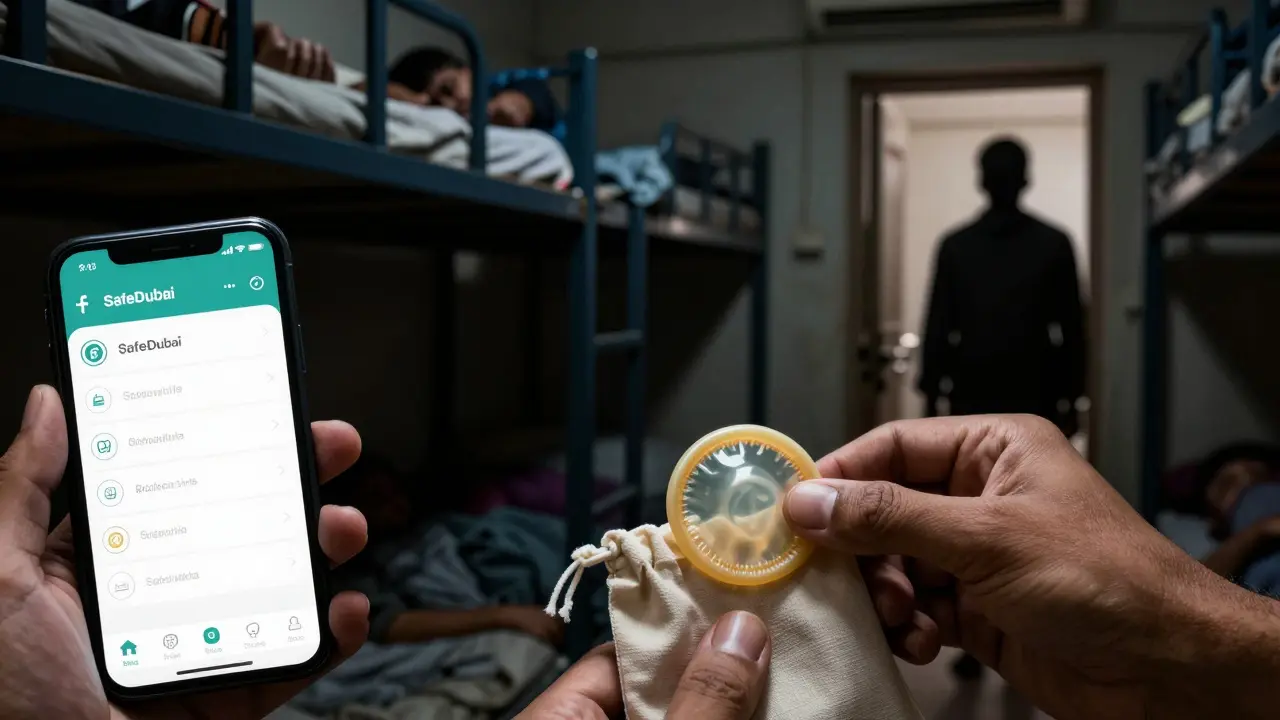
There are pockets of progress. The Dubai Health Authority launched a pilot program in 2023 to distribute free condoms and sexual health kits in labor camps. They partnered with community leaders to build trust. So far, over 12,000 kits have been handed out. But the program only reaches 15% of the target population.
Some apps, like "SafeDubai" and "HealthHub," offer discreet online consultations and delivery of condoms and emergency pills. But they require internet access, a smartphone, and the confidence to use them. Many workers don’t have either.
The Real Cost of Silence
The consequences aren’t theoretical. In 2025, Dubai reported a 34% increase in new HIV cases among migrant workers compared to 2022. Most were diagnosed late-because they avoided testing. The same trend shows in syphilis and gonorrhea rates.
These aren’t just statistics. They’re people. A 22-year-old construction worker from India who contracted HIV after a one-night stand and couldn’t afford treatment. A 19-year-old housekeeper from Indonesia who got pregnant and didn’t know where to turn. A 35-year-old cleaner from Nepal who died from untreated syphilis because he was too ashamed to go to a hospital.
What Needs to Change
Safe sex isn’t a luxury. It’s a basic human right. But in Dubai, it’s treated like a privilege.
First, free condoms and sexual health kits must be distributed in every labor camp, every month-not once a quarter. Second, clinics should offer walk-in services with no ID required. Third, employers must be legally barred from punishing workers for seeking sexual health care. Fourth, education needs to be in languages people actually speak, delivered by trusted community members-not foreign officials.
And finally, the silence has to end. Sex isn’t shameful. Not knowing how to protect yourself is.
Is safe sex legal in Dubai?
Yes, using condoms and accessing sexual health services is legal in Dubai. There are no laws banning condom use, STI testing, or contraception. However, public discussion of sex is culturally restricted, and many people-especially migrants-fear judgment or retaliation from employers, making them avoid services even though they’re legally allowed.
Can migrant workers get free condoms in Dubai?
Some migrant workers can get free condoms through pilot programs run by the Dubai Health Authority and NGOs, especially in labor camps. But these programs are limited in scope and reach. Most workers still have to buy condoms themselves, which can be unaffordable on low wages. There is no city-wide, automatic distribution system in place.
Are sexual health services confidential in Dubai?
By law, medical records in Dubai are confidential. Clinics are required to protect patient privacy. But in practice, many migrant workers don’t trust this system. Fear of employers finding out, deportation, or social stigma makes them avoid clinics altogether-even when they’re technically protected.
Why don’t more people use birth control in Dubai?
Many people don’t use birth control because access is limited. Contraceptives require prescriptions, which are hard to get without time, money, or transportation. Cultural stigma, lack of education, and fear of judgment also play major roles. Women, especially migrant workers, are often discouraged from using contraception by employers or family members.
What’s being done to improve access to safe sex in Dubai?
The Dubai Health Authority has started mobile clinics and condom distribution in labor camps. A few NGOs offer discreet online consultations and delivery services. Some companies are beginning to include sexual health in employee wellness programs. But these efforts are small-scale and underfunded. There’s no coordinated city-wide strategy yet.